Posts

The Consequences of Skipping Eye Drops After Cataract Surgery

Image
Cataract surgery is often considered a turning point in vision care, drastically improving the quality of life for countless individuals. With advancements in medical technology, the procedure itself has become increasingly uncomplicated and safe. Yet, like any surgical intervention, it necessitates precise aftercare. An integral part of this post-operative care is the regimented use of prescribed eye drops. Many might wonder, what happens if you don't use eye drops after cataract surgery? This blog dives deep into the consequences of such oversight and offers a comprehensive perspective to underscore the criticality of this often underestimated step. The Role of Eye Drops in Post-Operative Care The eye drops administered after cataract surgery usually contain anti-inflammatory and antibiotic properties, aiming to expedite healing and prevent infection. Their role is not merely complementary but rather central to the recuperation process. They maintain the balance of the ocular su...

What Are The Alternatives to LASIK Surgery?

Image
Vision correction is witnessing unprecedented innovations that promise a life beyond blurred outlines and inconvenient eyewear. While LASIK surgery has been the go-to laser eye treatment for many, only some are suitable candidates for this procedure. Located in Virginia Beach and beyond, optometrists are pioneering alternative solutions that offer comparable, if not superior, results. This blog will explore the latest effective alternatives to LASIK surgery, focusing on their scientific underpinnings, benefits, and limitations. Intricacies of Vision: Why LASIK Doesn't Fit All Before diving into the alternatives, it's essential to comprehend why LASIK surgery may not be the one-size-fits-all solution it's often touted to be. LASIK primarily reshapes the cornea to correct refractive errors. However, the procedure has limitations regarding certain eye conditions or anatomical issues, such as thin corneas or severe dry eyes. Optometrists in Virginia Beach often encounter pat...

Cataracts and Quality of Life: Addressing the Emotional Challenges

Image
Living with cataracts goes beyond impaired vision; it also impacts your emotional well-being. Simple tasks like reading or recognizing faces become challenging, causing anxiety, frustration, and a decline in overall quality of life. From diagnosis to recovery, understanding the emotional journey is crucial for regaining a fulfilling and joyful life. Let's begin.   The Emotional Impact of Cataracts   Anxiety and Frustration: Receiving a cataract diagnosis can be overwhelming. Anxiety sets in as the fear of losing independence and the inability to perform daily activities take hold. Frustration arises when once effortless tasks become arduous due to deteriorating vision. The prospect of cataract surgery itself can also cause apprehension.   Depression and Social Isolation: Cataracts can lead to a sense of hopelessness, triggering symptoms of depression. The gradual loss of vision can make individuals withdraw from social interactions, hobbies, and even employment. The fee...

Age-Related Cataracts: Why They Happen and How to Manage Them

Image
Aging triggers several eye changes that may lead to age-related vision problems, such as cataracts. A cataract is generally described as a clouding of the eye's lens that can significantly impact vision, making everything appear blurry or hazy. A cataract can be severe enough to limit daily activities like driving and reading. Fortunately, age-related cataracts are treatable with surgical procedures, restoring eyesight. This article will provide a thorough expert analysis of age-related cataracts, their causation, and their management. What are Age-Related Cataracts? Cataracts related to age commonly affect people aged 60 and above, making them the most prevalent type. They occur when the proteins in the eye's lens clump together, causing cloudy or blurry vision. The cloudiness affects the lens's transparency, making light unable to pass through it smoothly, resulting in hazy sight. Age-related cataract severity varies, whereas some may encounter vision reduction without ...

What is the Fastest Way to Recover from Cataract Surgery?

Image
Source: oculase.com If you are looking forward to cataract surgery, you must be wondering how long recovery takes. Usually, recovery from cataract surgery is quick in comparison to other eye surgeries. Most patients witness better vision after 24 hours of surgery. Your doctor would also suggest specific guidelines depending on your condition. But besides following the recommendations of your eye doctor, you can practice other measures for a speedy recovery from cataract surgery. Hence, we list a few top ways to recover fast from your surgery. Avoid Strenuous Activities It is best to avoid performing rigorous activities and exercises that need heavy lifting for numerous weeks. This lowers the chances of putting pressure on your eyes. Placing high pressure on the eye can intervene with the incisions before it completely heals. Additionally, avoid putting your head below the waist like bending over. It also increases the pressure on the eye and must be avoided fully after the surgery. Kee...

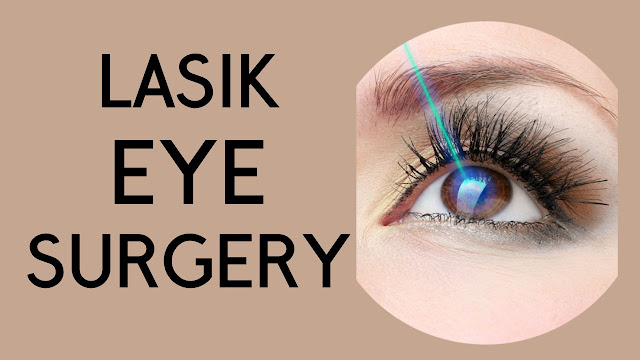
LASIK Eye Surgery: Things You Should Know Before Undergoing It

Image
If you are suffering from astigmatism, hyperopia, or myopia, your ophthalmologist would suggest LASIK eye surgery. It is also considered a long-lasting solution to contact lenses or spectacles. This surgery can change your lifestyle to a great extent. So, rather than being skeptical about this, it is better to learn a few important things about LASIK eye surgery . Consult an Experienced Surgeon There are different types of LASIK surgeries, such as SMILE LASIK , Femto LASIK, and C-LASIK. Hence, get it done by an experienced and board-certified ophthalmologist. Do inquire with your surgeon about the complications involved and the recovery chances. Avoid Wearing Contact Lenses Most reputed surgeons recommend avoiding wearing contact lenses before the surgery. If necessary, wear only soft contact lenses, which must also be avoided 2 weeks before surgery. It is because wearing lenses increase the chances of an infection, which is not a good sign for doing the surgery. You Will be Awake Duri...

All You Need to Know About Dry Eye & Glaucoma

Image
Dry eye and glaucoma are two different eye issues, which can occur together. Patients suffering from glaucoma have a higher chance of experiencing dry eye trouble. Both these are chronic conditions and treating them at the same time is challenging. But the Chesapeake Eye Surgery Center can effectively manage and cure this problem. Read this post to know what makes these conditions chronic and the possible treatments for the same. What is Glaucoma? Glaucoma is a series of conditions, which damage the nerves in the eyes. It leads to vision loss and blindness if left untreated. Usually, this ailment occurs with the age but can happen to anyone. You may experience Glaucoma in one eye or both eyes. It occurs when the pressure inside the eyes increases, but can happen otherwise as well. Glaucoma Symptoms The symptoms of Glaucoma are not noticeable at an early stage. When this issue reaches a complex level, the symptoms of glaucoma may develop, such as: ·       Eye pain · ...